 Cedar Pond Farms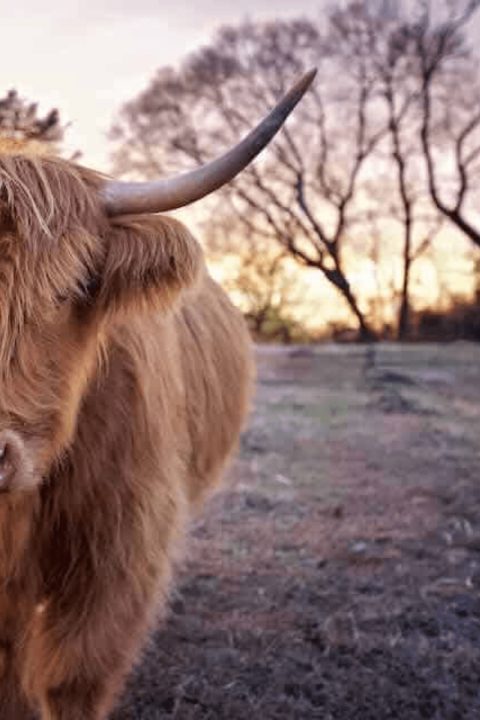
Most people meet a Highland and fall for her in about four seconds. The fringe, the horns, the way she leans into a scratch behind the ear. That part is easy, and we would never talk anyone out of it — it is the reason we raise them.
What comes next is the part nobody puts on a postcard. A Highland is not a pet you bring home on a Saturday. She can live twenty years. She needs company, a fence that respects her horns, water she can reach in February, shade she can find in August, and a vet who has actually worked with cattle. Get those right and she is one of the easiest animals on a small farm. Get them wrong and you will spend two years finding out slowly, at her expense.
So before we sell anyone a cow, we ask twelve questions.
Why twelve questions, and not a sales call
We could take a deposit from anyone with a card. Plenty of places do. We would rather know that the animal we hand over is going somewhere she will do well, because we are the ones who halter-trained her and we are the ones who will hear about it if it goes badly.
The questions cover the things that actually decide whether a Highland thrives:
- Your experience — first-timers are welcome. We just answer differently.
- Your land, and how much is pasture — acreage on a deed is not the same as grass she can eat.
- Company — Highlands are herd animals and do badly alone. This one surprises people most.
- A large-animal vet — not every rural vet takes cattle. It is worth knowing before you need one at 6am.
- Getting her home — a trailer, or help arranging one.
- Fencing, water and shelter — the three that quietly cost the most to retrofit.
- One, a pair, or a small herd — it changes almost every other answer.
- Zoning and permits — a heartbreaking one to discover late.
- Your timeline, and what you want from her — a companion, a breeding pair, land management, or photographs.
A farmer here reads every set of answers personally and writes back. Sometimes that reply is “yes, and here is which of ours would suit you”. Sometimes it is “not yet — fix the fencing first, and come back in the spring”. We would far rather say the second one now than after you have brought an animal home.
Our cows are hand-raised, and that is not a slogan
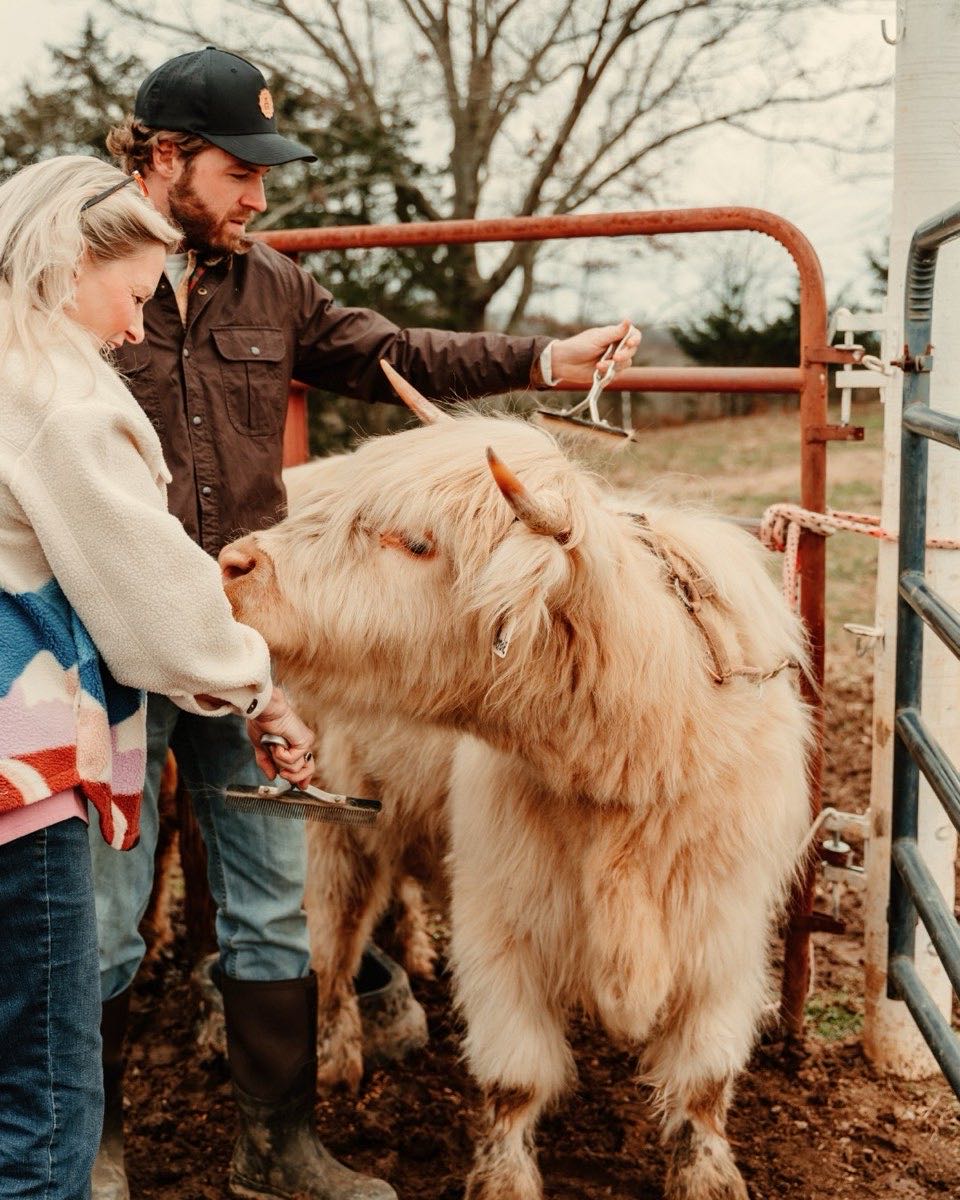
Scotland’s oldest breed is famously hardy and gentle — but temperament is not only genetics, it is handling. Every day at Cedar Pond Farms our Highlands are fed, brushed and given treats by our farm guides and by guests on our cow experiences. That daily contact is the single biggest reason our animals are easy to work with when they get to a new place.
A cow who has never been touched by a stranger is a different animal to load, halter and doctor than one who has had a hundred people scratch her chin. You will feel that difference on day one, and every day after.
Come and stand in the field first
We strongly recommend every new buyer book a Premium Cow Encounter before purchasing. Two hours, hands on, feeding and brushing and asking every question you have — fencing, feed, hoof care, what a bad day looks like. Most buyers tell us it completely changed what they thought they were getting into.
It is the cheapest possible way to find out whether this is really for you.
Start with the Free Buy Guide
Answer the twelve questions and you get your own portal here: your answers, our written reply, and a place to ask us anything in between. It is free, nothing is owed, and there is no salesperson on the other end — just a farmer who would rather place a cow well than place her quickly.
Cedar Pond Farms raises Scottish Highland cattle in New Market, Tennessee, just across Collins Road from Jefferson City and a short drive from Sevierville and the Smokies. You can meet the whole herd any time.