 Cedar Pond Farms
Highland cows are famous for their long hair, gentle eyes, and hardy nature — but how long do these shaggy wonders actually live? Let’s explore their lifespan in a fun, visual way.
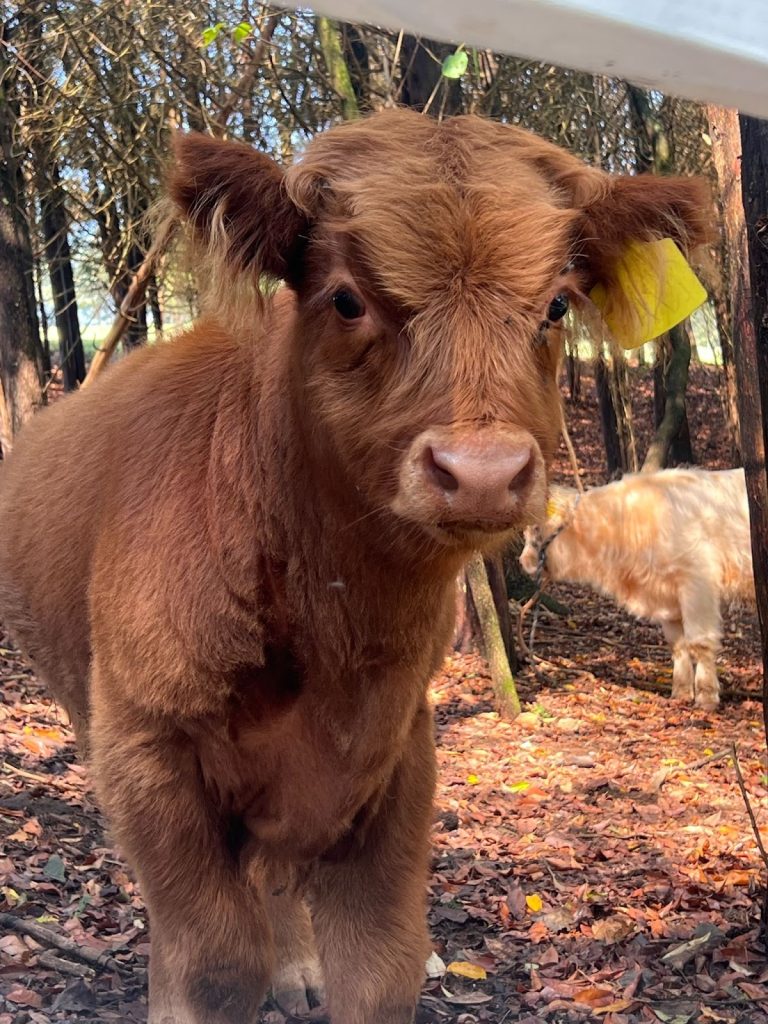
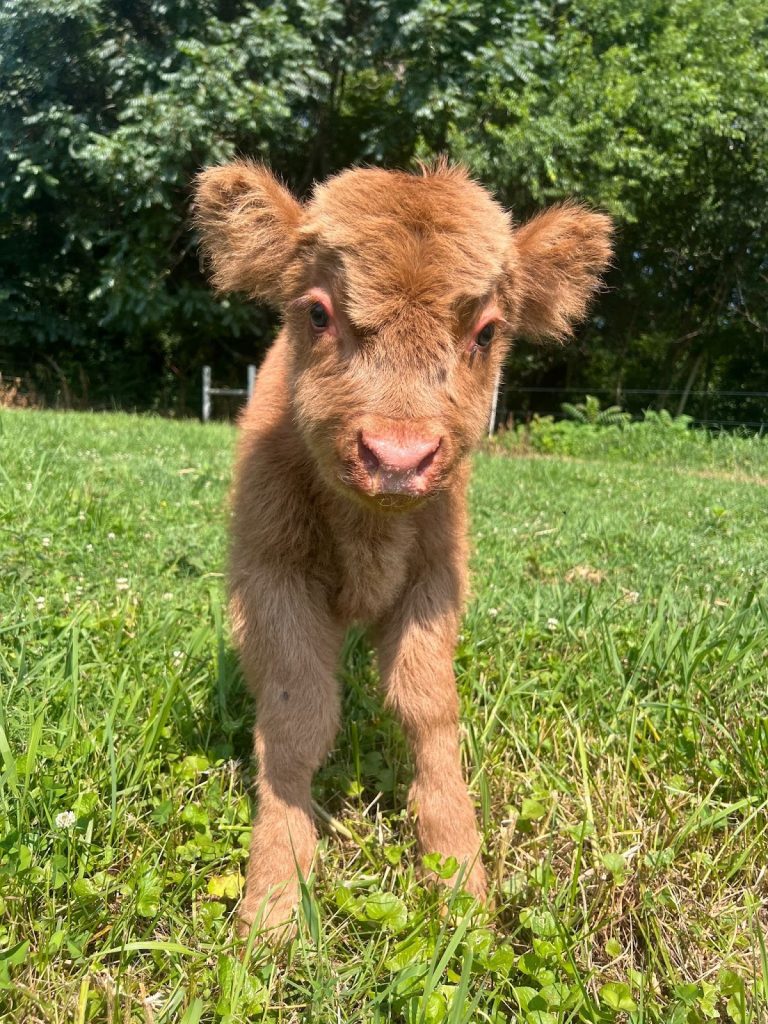
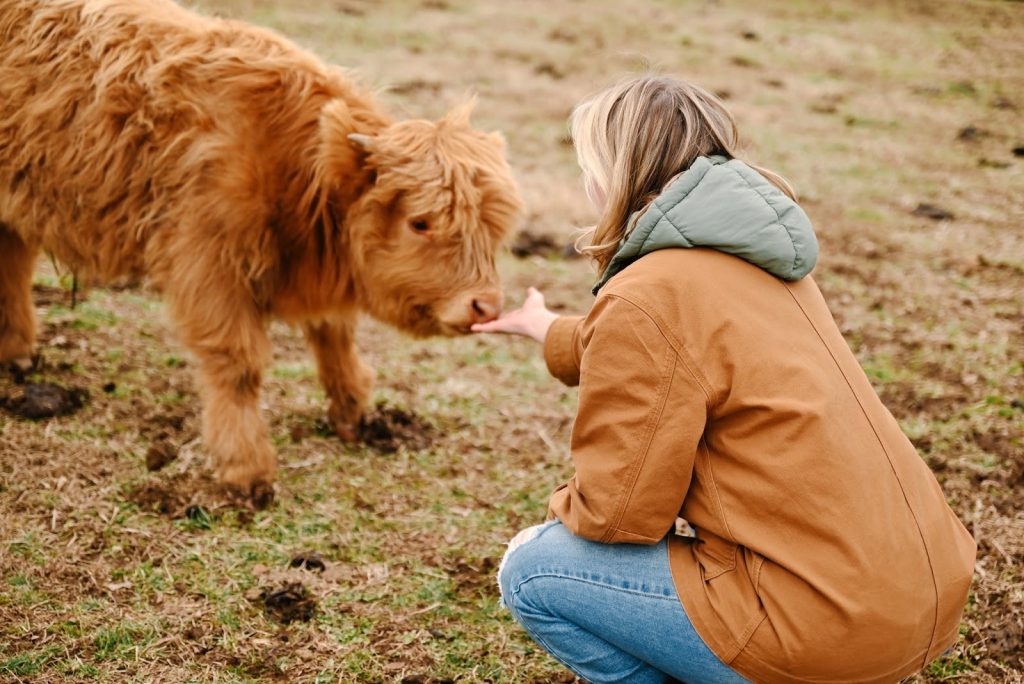
🌱 Stage 1: Calf – The Curious Beginner (0–1 year)
- Size: 50–80 kg at birth
- Appearance: Fluffy, miniature versions of adults with tiny horns
- Fun Fact: Highland calves are born fully coated in fuzz — no cold winters for these little adventurers!
- Care Needs: Bonding with the mother, plenty of grazing, and safe pastures
Did You Know?
Calves can recognize their mother’s voice within days — a skill they carry for life. 🐮💛
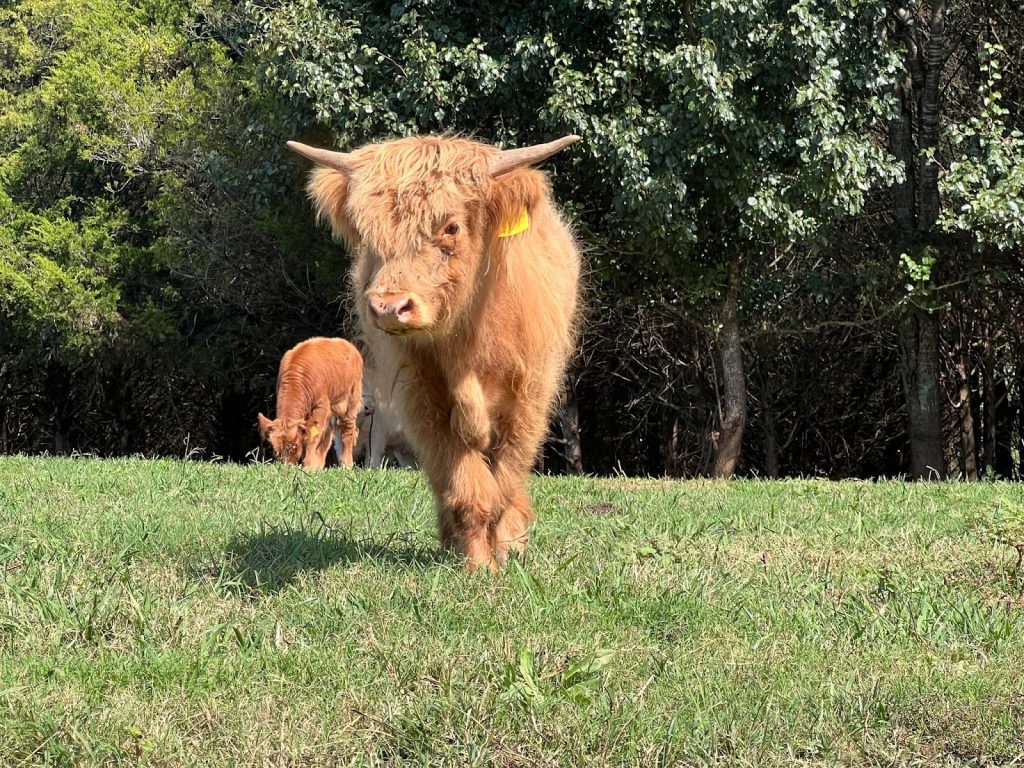
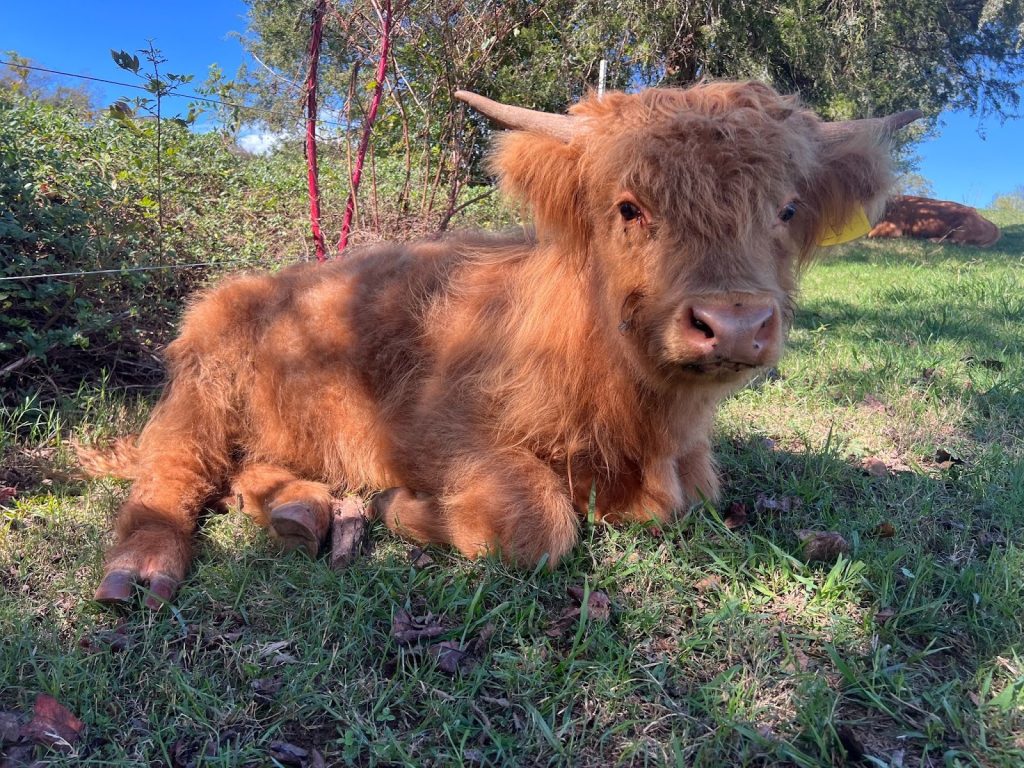
🌾 Stage 2: Adolescent Explorer (1–3 years)
- Size: Up to 400–500 kg
- Horn Development: Horns grow noticeably, forming the signature long curves
- Behavior: Playful, curious, often testing boundaries in the herd
- Diet: Mostly grass, occasional shrubs, and hay in winter
Fun Fact:
At this stage, Highland cows can jump surprisingly high — small fences may not stop them!
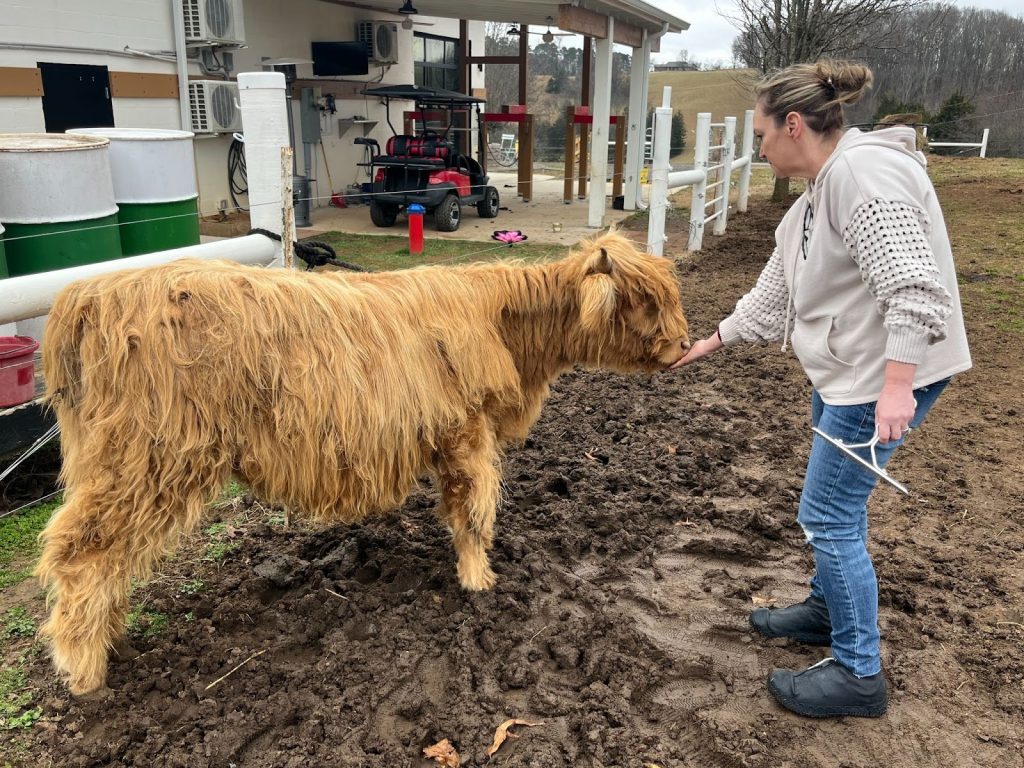
🌟 Stage 3: Prime Adult (3–10 years)
- Size: Fully grown: Males ~700–800 kg, Females ~500–600 kg
- Purpose: Ready for breeding, meat production, or milk (small quantities)
- Temperament: Calm, social, and a natural leader within the herd
Fun Fact:
A Highland cow in its prime can survive extreme Scottish winters without a barn, thanks to their thick double-layered coat. ❄️
🕰️ Stage 4: Senior Sage (10–20+ years)
- Life Expectancy: 15–20 years on average, some reaching 25+
- Diet: Needs more tender grass and supplementary feed as digestion slows
- Activity Level: Less energetic but incredibly social and wise — often guiding younger cows
Did You Know?
Older Highland cows are often considered “herd mentors,” subtly influencing group behavior and protecting younger calves. 🐂👑
📊 Unique Facts About Highland Cow Longevity
FactInsightLifespan range15–20 years, sometimes up to 25Oldest recorded~27 years in ScotlandEarly mortalityHigh in first weeks if separated from motherHealth advantagesHardy, disease-resistant, low stressGeneticsSlow-growing breed contributes to longer lifespan🧬 Why Highland Cows Live Longer Than Some Breeds
- Hardy Physiology: Thick coat, strong immune system, able to survive harsh climates.
- Slow Growth: Unlike industrial breeds, they grow slowly — less stress on organs.
- Social Lifestyle: Herd dynamics reduce stress and promote calm behavior.
- Natural Diet: Grazing grass, shrubs, and natural forage improves digestive health.
Fun Fact:
Highland cows rarely need antibiotics — their natural resilience keeps them healthier than many conventional cattle breeds. 🌿
🌟 Visual Timeline of a Highland Cow’s Life
- 0–1 yr: Tiny, fluffy calves
- 1–3 yr: Horns developing, playful energy
- 3–10 yr: Adult prime, active and productive
- 10–20+ yr: Elder cow, wise and gentle
Bottom Line
Highland cows are not just adorable and iconic — they are longevity champions of the cattle world. With proper care, plenty of grazing space, and a calm herd environment, these cows can grace farms and landscapes for decades.
Did You Know?
Some Highland cows outlive their human caretakers — literally becoming family legends on farms!
Curious about bringing one home? See Highlands currently for sale at Cedar Pond Farms, or meet the herd on a Fluffy Cow Encounter first.
Part of our complete guide to the breed — everything about Highland cows, in one place.